Why Does Automated URL Processing Boost Results?

Human beings then take that raw input to arrange it as a narrative covering why the pattern matters, what it means, and how a reader must react. This matters more now due to the fact that Google has honestly punished massive content the more so if the material's been recognized to game rankings, not to help users.

If you're producing pages generally to have surface areas to point links at, you're off course. In our experience, for many websites, it's internal linking, not external link acquisition, that represents a larger portion of link-building results. Google finds pages, understands which of them are necessary, and recognizes hierarchy between subjects far more easily when helped through internal links.
Internal connecting is totally automatable. What you can automate: spotting orphan pages linking new content back to core centers recognizing damaged or dead internal links flagging pages that aren't well-linked internally providing anchor text choices based on intent clusters Automated link structure might sometimes feel questionable.
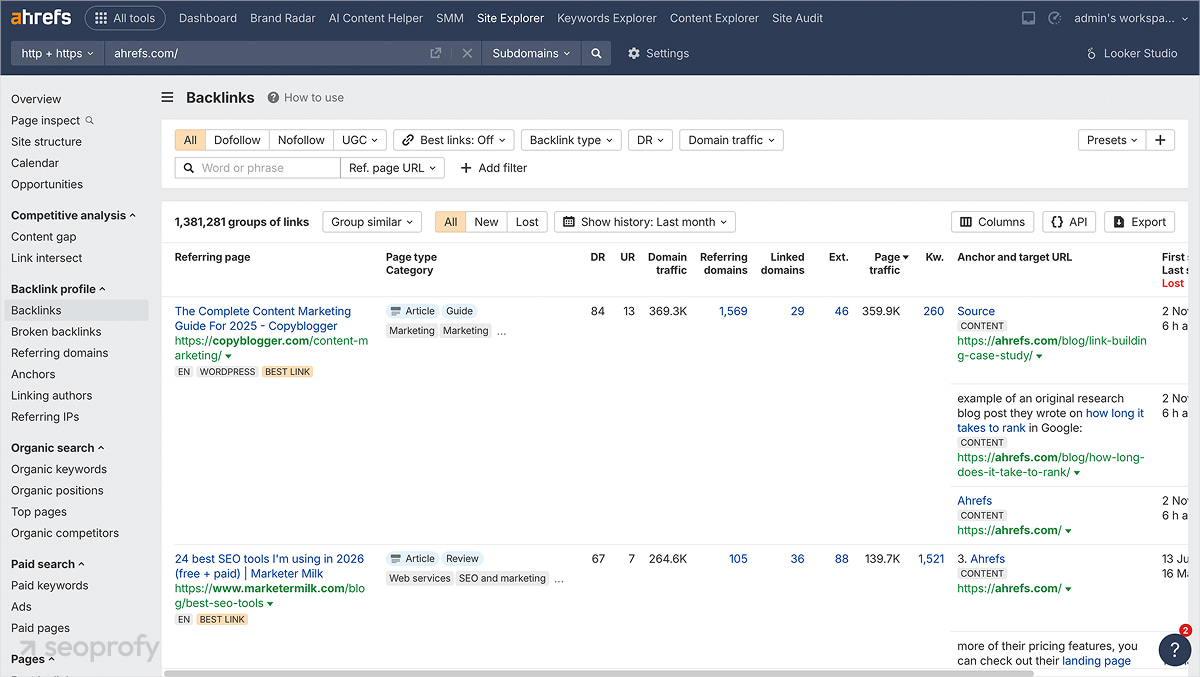
It frequently is simply fixing reality: you were pointed out but not connected a link broke due to the fact that a URL altered a page 404 'd after a migration a site revitalized a short article however dropped the original citation Thanks to automation, you get the alert precisely the minute it occurs. What you can do now is actioning in with a low-friction message to the publisher.
The Evolution of High DA SEO Technology Beyond
The enjoyable part here is that a backlink is a by-product when you keep info accurate and citations intact. In this section, let's see how automation ends up being hazardous (due to the fact that it lures you to utilize it as "simply a tool"). For Google, outcomes and patterns matter, it's uninformed of your intent.
In Google's spam policies, you'll find habits that can trigger pages or websites to rank lower or gain zero visibility. Connect spam belongs to that universe, too. Spending for links itself isn't the offense; it only ends up being a problem when paid links covertly affect rankings. Google sets out clear instructions on qualifying outbound links using rel qualities like sponsored and ugc.
We broke the circulation into five easy-to-follow chunks. Not every page can make links naturally. Cash pages often make links inadequately. You can still provide indirect assistance using hub pages, research, tools, comparisons, and guides. This is the way to make your method cleaner since you're not jamming editorial links into commercial URLs (this always feels unnatural).